

















Poaching is one of those cooking techniques for people who get into the kitchen for fun, not just out of necessity. It may sound a bit fancy to those new to the culinary world, but guess what?! It's one of the oldest cooking methods and doesn't require any special equipment. All you need is a saucepan and a burner on your stovetop or gas stove.
In this short article, you will discover essential information about poaching food, how this technique can help you in your daily cooking, and what nutritional benefits it brings you.
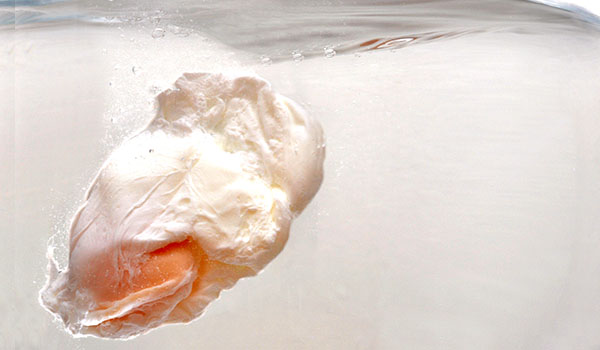
What does food poaching cooking method mean?
Poaching is the gentle cooking of food in a liquid that is constantly kept below boiling point. This liquid can be water, bone or vegetable broth, milk, wine, a mixture of oil or melted butter with lemon juice.
You can flavor the liquid with various spices and herbs, depending on the food being cooked: thyme, bay leaves, garlic, vanilla, cinnamon, etc.
Poaching is a perfect way to transfer flavors between food and the liquid it's simmering in. In fact, that's the beauty of this cooking technique. Poaching yields two results: the poached food (fish, chicken, egg), but also the liquid that has now become a delicious infusion. You can use it as a sauce or ingredient in various recipes to enhance their flavor.
How to poach food
As simple as the food poaching technique is, it's easy to make mistakes when applying it. Follow these steps for guaranteed success:
1. Use a deep stockpot or pan. Make sure you use enough liquid to cover the food.
2. Bring the poaching liquid close to boiling temperature, when small pearls form at the bottom of the cookware, but water is not yet boiling.
3. Carefully add the food to be poached.
4. Reduce the heat to maintain a high temperature without the water boiling. You can use a thermometer and make sure the water temperature remains between about 75° and 85° C.
5. Put the lid on and cook the food over low heat.
For fish, which has a very fragile texture, place it directly in a pot of cold water, then heat it over low to medium heat. This method preserves the texture and firmness of the meat.
Another poaching technique involves only partially submerging the foods. A much smaller amount of liquid is used, which will later reduce and become a very tasty sauce.
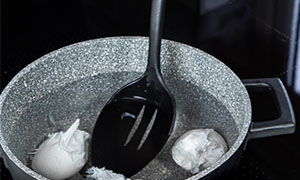
Kitchen utensils used for this cooking method
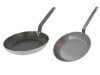
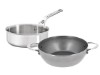
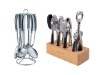
As mentioned above, you don't need a ton of cooking utensils to successfully poach food. You probably already have all of these cookware and utensils in your kitchen:
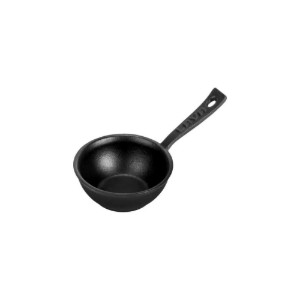
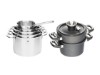
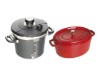
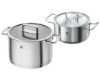
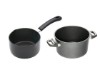
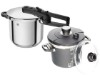
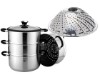
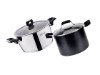
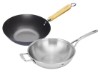
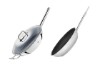
➢ A stainless steel pot (or any pot or saucepan you already have). Ideally one with a lid. You can also use a wok with a flat base and a lid.
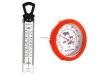
➢ Kitchen thermometer that helps you monitor the temperature of the cooking liquid and the interior of the dishes.
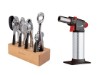
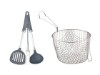
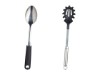
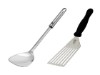
➢ A slotted spoon or skimmer to take foods out of the water.
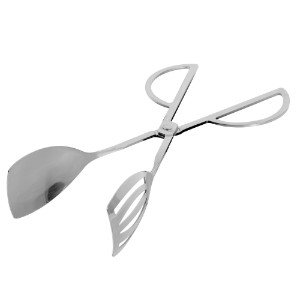
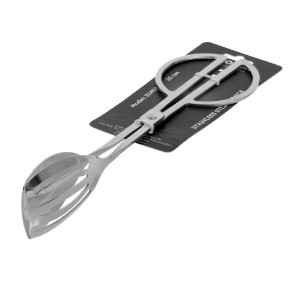
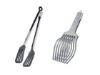
➢ For larger, firmer foods, such as chicken breast, you can use tongs to remove it from the liquid.
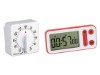
➢ A kitchen timer wouldn't hurt to avoid overcooking food.
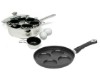
➢ If you're not keen on culinary experiments and want a shortcut to healthy meals, there are also pans for baking eggs and making poached eggs.
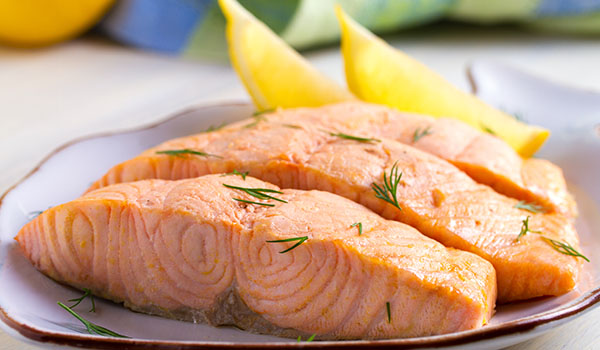
Types of foods suitable for poaching cooking method
Poaching is ideal for delicate foods like eggs, fish, fruit or chicken breast. The food cooks gently and gradually, ensuring that it retains its juiciness.
Fish and seafood
From salmon and cod to shrimp and crab, poaching is one of the most suitable cooking techniques for fish and seafood. A gentle method for delicate meat.
Generally, fish fillets take about 10 minutes to cook, or until the center of the fish is opaque and flakes easily when pierced with a fork.
Meat
Chicken breast is a delicate meat, perfect for poaching. If you simply boil it, it loses its juiciness and becomes dry and rubbery.
A chicken breast is usually ready in 15 minutes or less, depending on its thickness and whether it has bones. Note! It is essential that the chicken reaches an internal temperature of at least 75°C to be safe to eat.
Poach chicken breast to make chicken salad, taco filling, quesadillas, enchiladas. Or simply enjoy it with a delicate lemon dressing and a side of plain potatoes.
Eggs
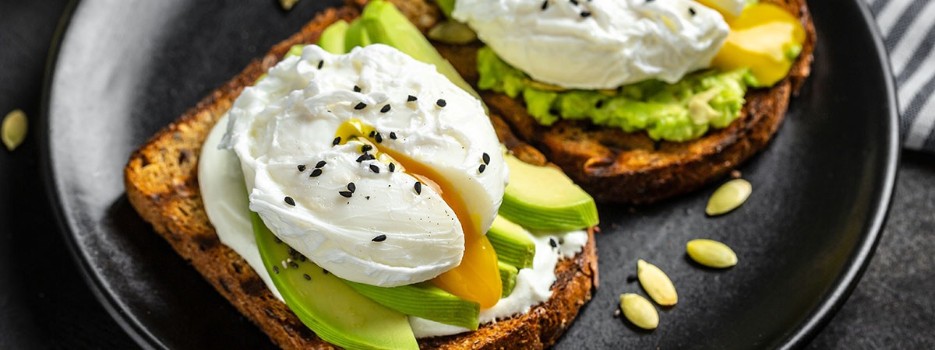
The egg is probably the most well-known food that is poached. Poached eggs are also known as Romanian eggs.
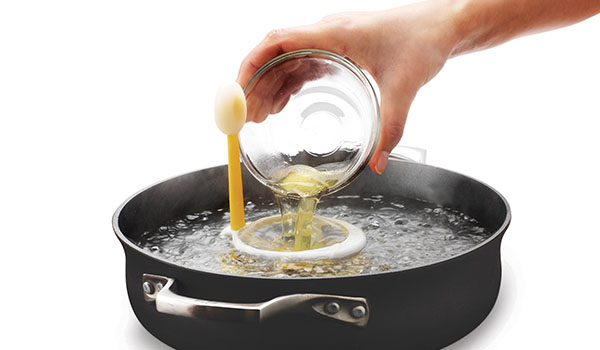
It is the most delicate style of cooking eggs, great for soft-boiled or medium-boiled eggs. Poached eggs are lower in fat and calories than pan-fried eggs. If you are new to the art of poaching, add a tablespoon of vinegar to the water to help the whites stay “bound” when you put them in the water.
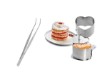
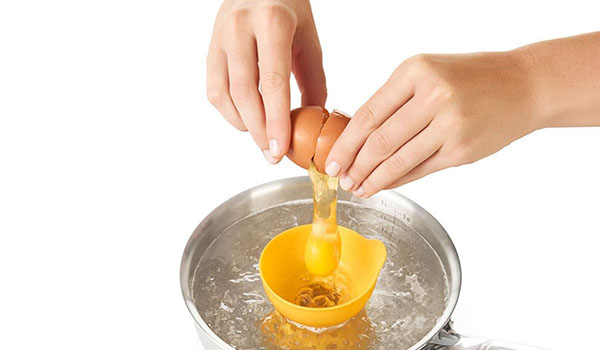
For a better chance of success, you can try using cookware accessories , such as cups or special silicone molds for poaching eggs.
Vegetables
Poaching is excellent for vegetables such as asparagus, leeks, artichokes, potatoes, and carrots because it keeps their structure intact while softening their fibers.
Fruit
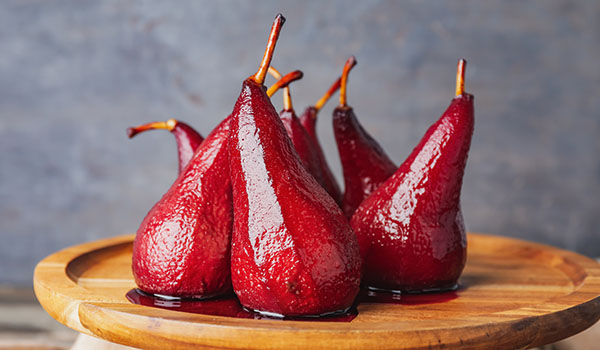
Poached fruit is a dessert in itself or can be served with yogurt, rice pudding, vanilla cream, panna cotta or granola. Quinces, apples, pears, rhubarb, plums, peaches, apricots and nectarines are excellent choices for poaching.
The poaching liquid can be flavoured with vanilla, cloves, cinnamon, citrus zest. Moreover, you can add honey, sugar or spirits. Only your imagination is the limit. The liquid can then be reduced and transformed into a wonderful sauce to accompany the fruit when serving.
The nutritional benefits of poaching food
Another category where poaching excels. This cooking method requires zero added fat, so it's ideal for those on a diet or looking to reduce fat intake.
The gentle heat also helps preserve water-soluble vitamins (like vitamin C and B vitamins) and minerals. Plus, poached foods are easier to digest than those that are steamed, fried, or baked.
So poaching is an excellent cooking method for certain foods, with advantages for taste, texture and health. Being a low-temperature cooking method, we will not enjoy the Maillard reaction, which gives foods a golden and caramelized crust, so we do not recommend poaching for heavy or fatty foods such as beef steak or pork chops. For them, there are many other healthy and tasty cooking methods. Discover the ones that are best for you!
Other recommended products:
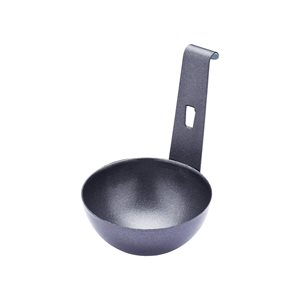
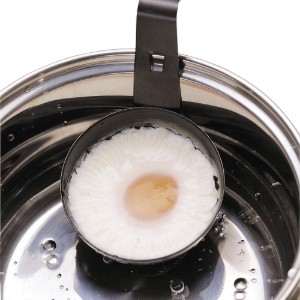
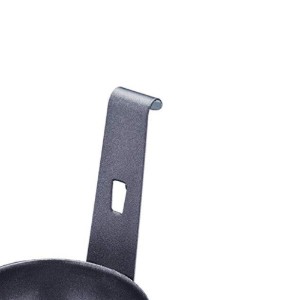
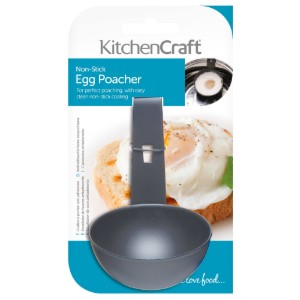
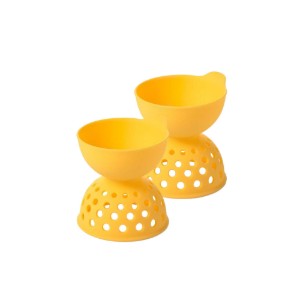
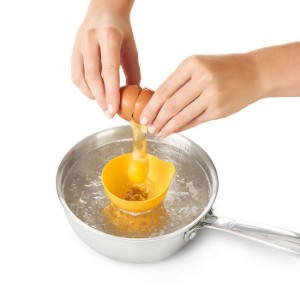
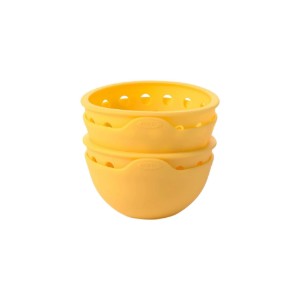
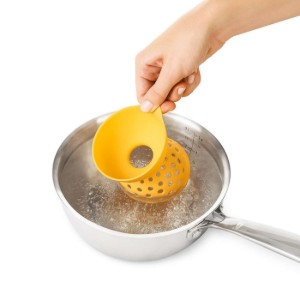
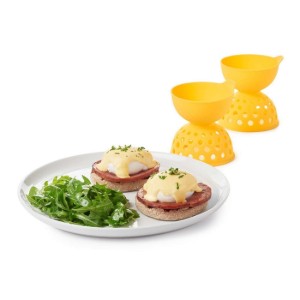
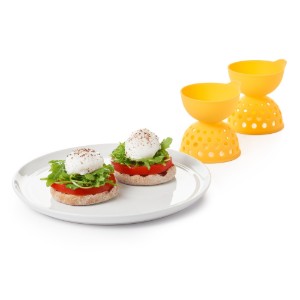
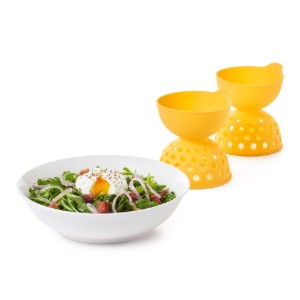
Set of 2 holders for eggs boiled without shell - OXO
Code: 11207000
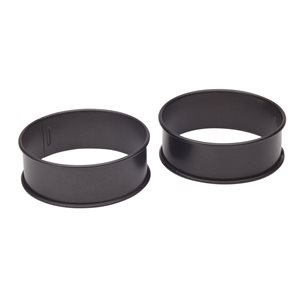
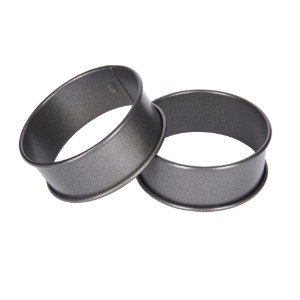
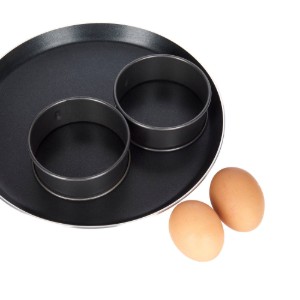
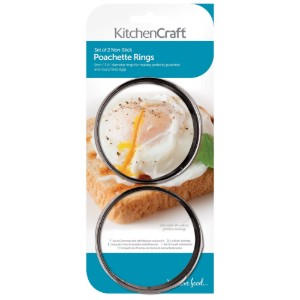
Set of 2 rings for cooking eggs, 9 cm, steel - by Kitchen Craft
Code: KCPOACHETTE
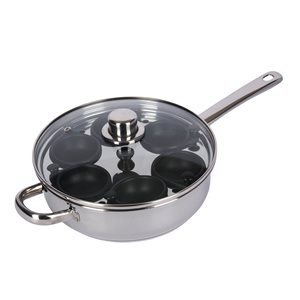
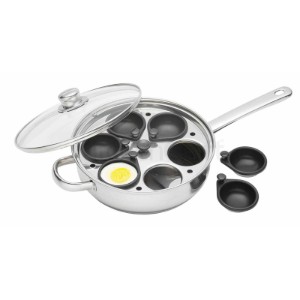
Poached egg pan, stainless steel, with lid, 26 cm - Kitchen Craft
Code: KCCVPOACH6