











Have you ever wondered how restaurant chefs manage to keep sauces hot for hours without ruining texture or flavor? The answer is: bain marie, a simple procedure that people have been mastering for centuries.
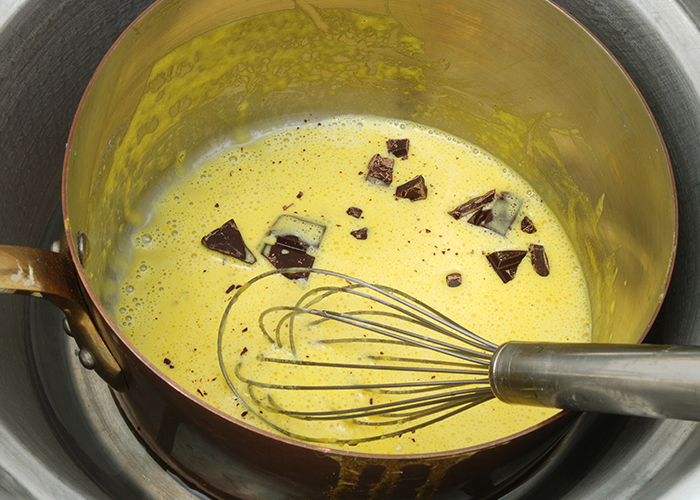
From delicate buttercreams to velvety melted chocolate, this method ensures that the finest culinary creations are cooked at a low, constant temperature, without the dish having direct contact with the heat source.
Discover below how you can make bain marie at home and how useful this technique is in the kitchen!
What does the Bain Marie cooking technique mean?
Bain marie is a culinary method for gently melting and cooking delicate foods, such as creams and glazes, that should not be subjected to sudden heat transfer or excessively high temperatures.
In other words, food is thermally prepared in a hot water bath. Surrounded by hot water and steam, without direct contact, delicate dishes such as creams, sauces and chocolate maintain their moisture and heat evenly. The bain marie process prevents the risk of food overheating, burning or curdling.
Bain marie is used in both professional kitchens and at home, revealing its versatility in a variety of recipes that require a careful and controlled cooking environment.
Beyond the culinary field, this method is also often used in the chemistry field (laboratories), in manufacturing soap, perfumes, candles and paint.
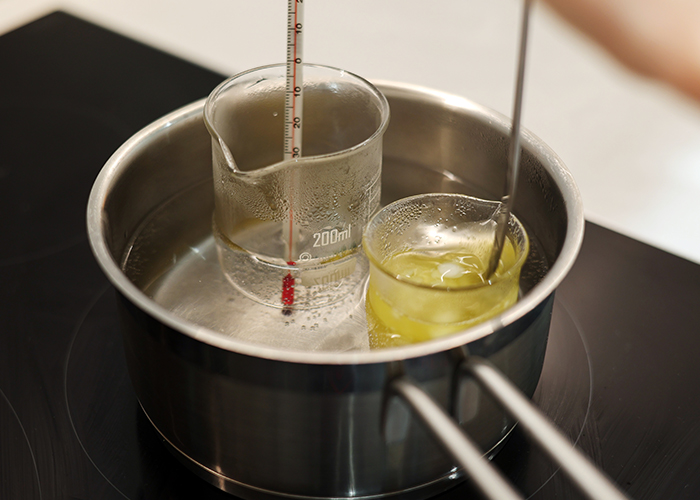
History of the Bain Marie technique
The name of this method comes from the Latin term "balneum Mariae", which translates as "Mary's bath". This Mary is believed to have been a prolific alchemist, with history placing her at the forefront of chemical development and inventions in Alexandria, Egypt, from the 200s to the 300s.
The original bain marie method was originally used to apply indirect heat to substances for medical or scientific purposes.
How does bain marie boiling work?
The usefulness and efficiency of bain marie lies in its ability to ensure a constant and uniform temperature, which is lower than water boiling point.
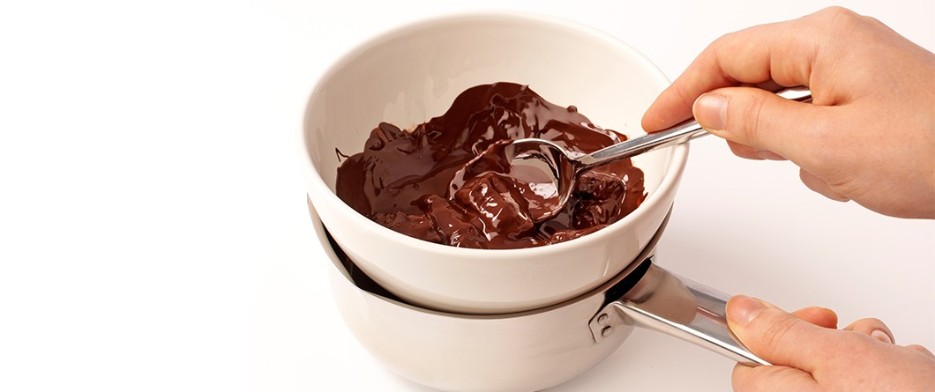
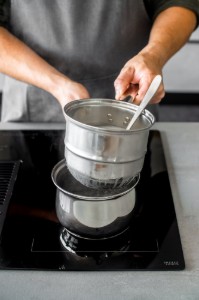
To make bain-marie, all you need is two heat-resistant containers that can be stacked on top of each other. Place the cooking pot or bowl with the food to be cooked over another cooking pot of simmering water.
The steam from the boiling water heats the upper cooking pot, allowing food to cook gently and gradually. Temperature remains relatively stable throughout the bain-marie cooking process.
What utensils are needed for Bain Marie?
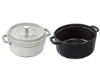
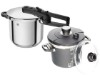
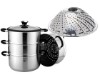
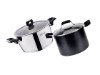
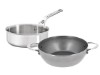
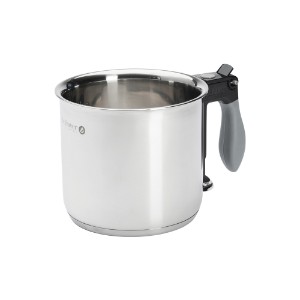
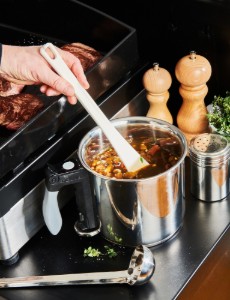
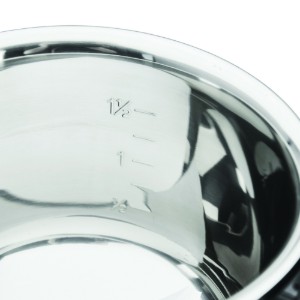
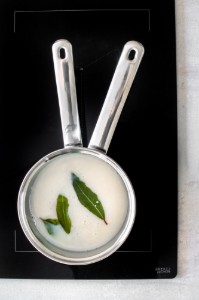
If you are a perfectionist in the kitchen, we recommend this set of bain marie cookware that can even be used on an induction hob.
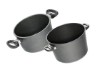
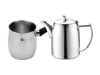
But you can make bain marie with any two stainless steel casserole dishes, as long as they can be placed one inside the other. It is ideal that the upper casserole dish has one or two handles that can be rested on the lower pot and is deep and narrow.
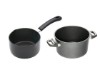
A great example is this aluminum bain marie saucepan or this stainless steel multi-purpose container.
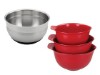
Another good option is a ceramic or heat-resistant glass cooking bowl that you can rest on the edge of a saucepan. Heat-resistant bowls offer the advantage of a rounded shape, without hard-to-reach corners, so you can easily stir the food.
Last but not least, we should mention that, if you have a set of cookware, you have every chance of finding two pots suitable for the bain marie method.
What can you cook using the Bain Marie technique?
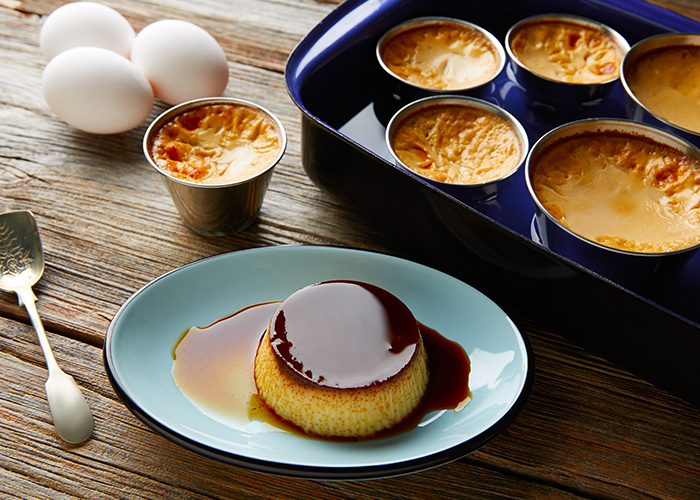
Souffle, pudding, creme brulee
The same principle of cooking cheesecake to perfection can be used for individual servings of puddings and soufflés baked in ramekins. Place the mini-ramekins in a pan filled with hot water that covers two-thirds of the ramekins' height. The hot steam prevents the delicate creams from drying out and forming a crust.
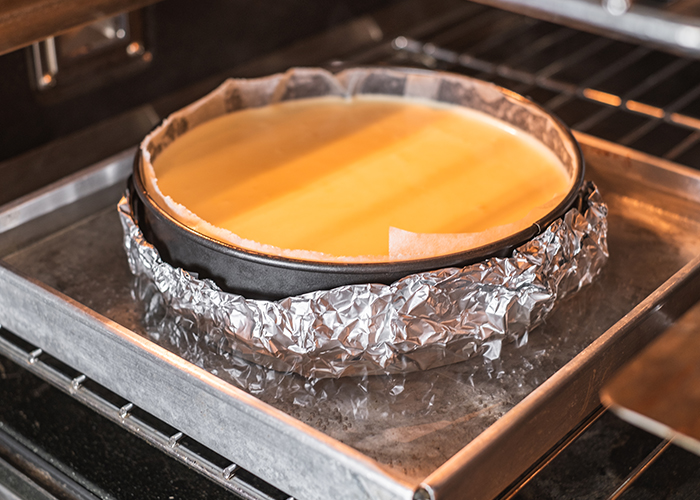
Cheesecake
The bain marie method can also be used in the oven. Place the cheesecake pan inside a pan of hot water and bake at low temperature. This prevents cakes from cracking.

Canned goods and pickles
You've probably seen the bain marie technique in action since you were a child, when your mother or grandparents would sterilize freshly filled jars by boiling them in a large pot. This process kills bacteria and ensures a longer shelf life for your preserves.
Melted chocolate
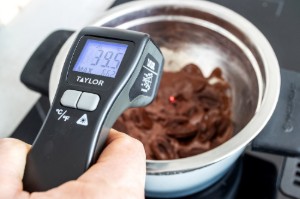
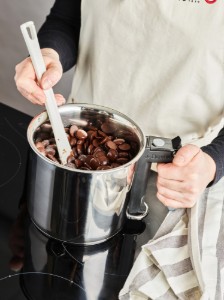
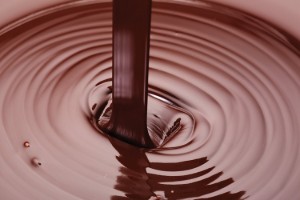
Chocolate is sensitive to heat and can easily burn while melting. Bain marie prevents chocolate from overheating and the risk of it becoming grainy and losing its smooth texture.
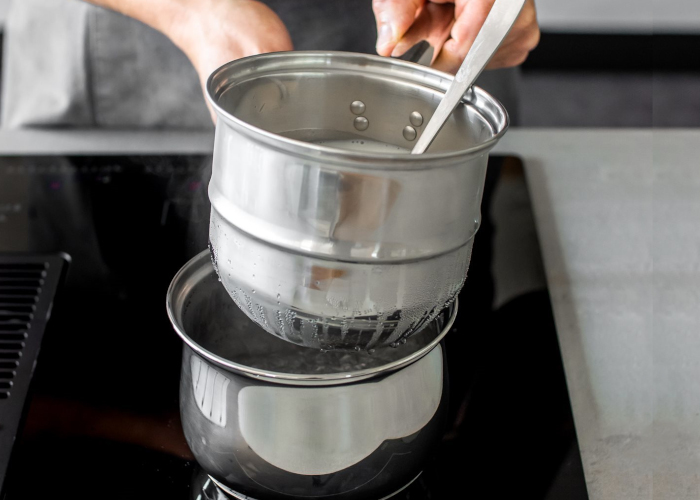
Creams for cakes and cookies
Vanilla or chocolate "steam-cooked" creams are soft, glossy and firm, excellent for filling cake tops, biscuits or thin cakes sheets.
Warm white sauces
The most popular example, Hollandaise sauce, can “curdle” if cooked over high heat. Bain-marie provides a gentle heat transfer to safely emulsify water and fats in the sauce.
Restores the fine texture of honey
Crystallized honey can be brought back to its soft consistency using the bain-marie technique. Place the jar into water and stir frequently. Pay attention to water temperature so that the jar doesn't break.
Pâté
Homemade terrine and pâté can be cooked in bain-marie. They cook evenly and keep their soft and creamy consistency.
Keep your food warm
Use the bain marie method to reheat the cooked dishes, such as mashed potatoes, and to keep them warm until serving.
So do not overlook this simple technique in the kitchen. The bain-marie cooking method opens up a variety of possibilities, ensuring that your dishes are always served warm and perfectly.
Other recommended products:
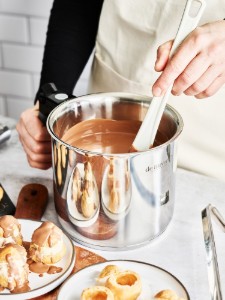
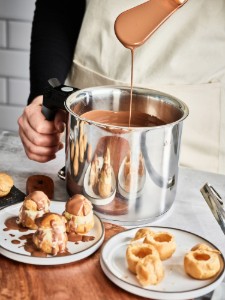
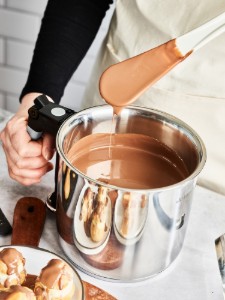
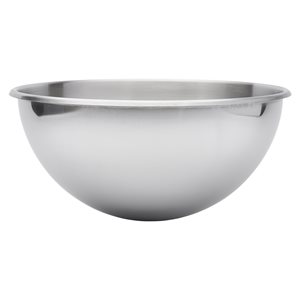
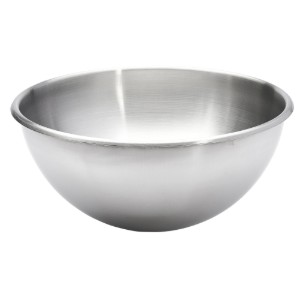
Hemispherical bowl, 35cm/11.2L, stainless steel - de Buyer
Code: 337135
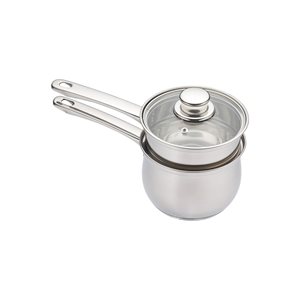

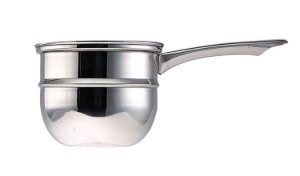
Set bain-marie, stainless steel, 16 cm - Kitchen Craft
Code: KCCVPOR
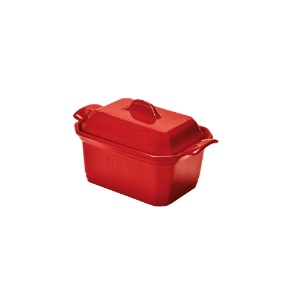
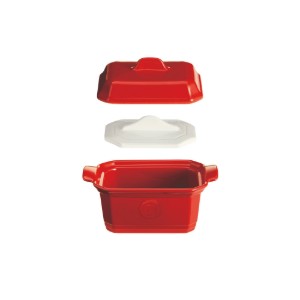
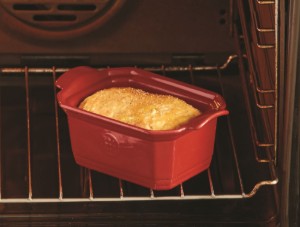
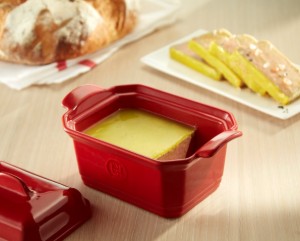
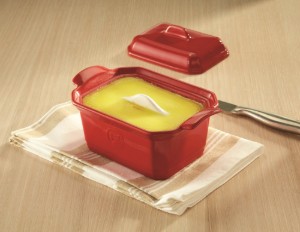
Terrine dish, 19x12 cm/0.63L, Burgundy - Emile Henry
Code: 970634
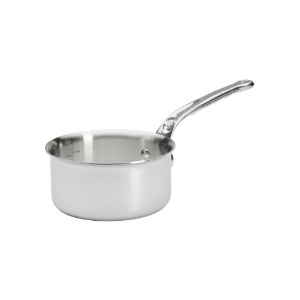
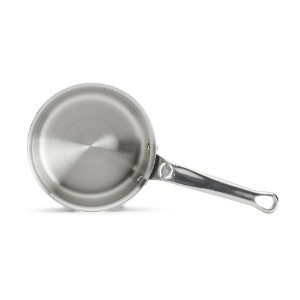
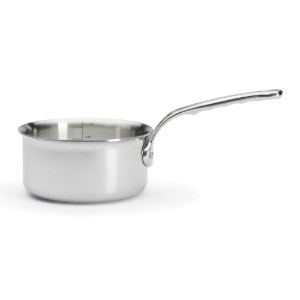
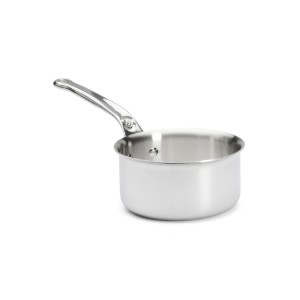
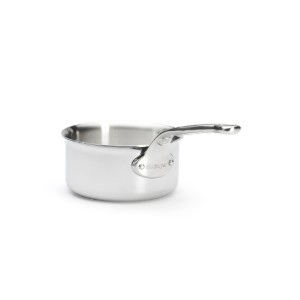
Saucepan, 5-Ply, stainless steel, 14cm/1.2L, "Affinity" - de Buyer
Code: 370614
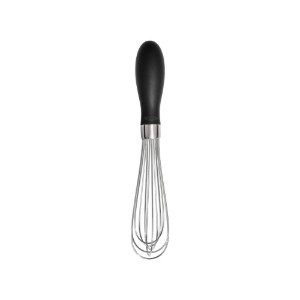
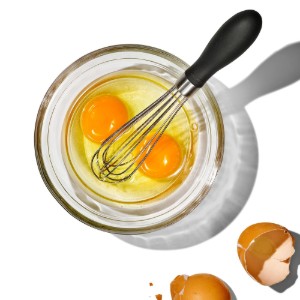
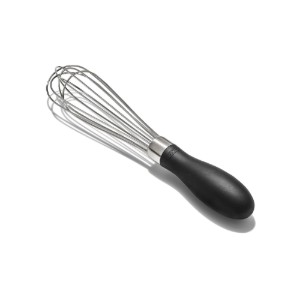
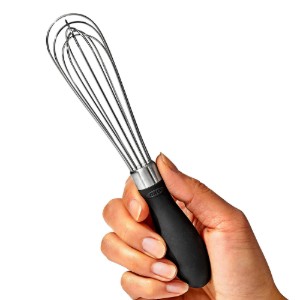
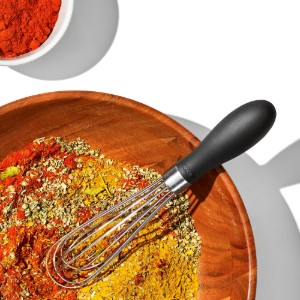
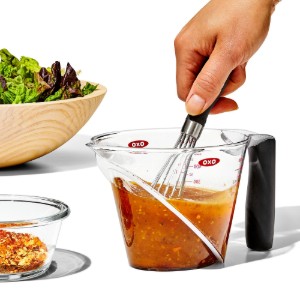
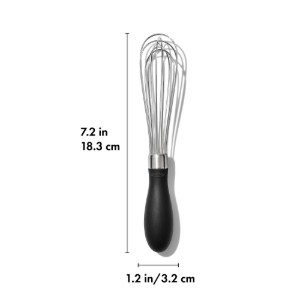
Whisk, stainless steel, 18.3 cm, "Good Grips" - OXO
Code: 11362100
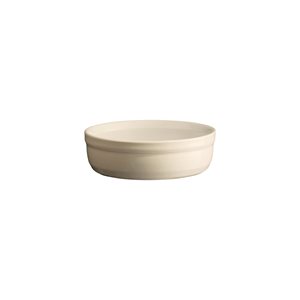
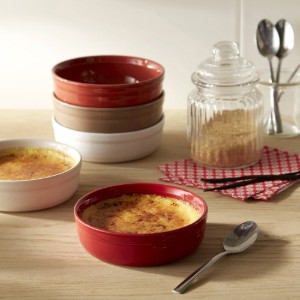
Creme Brulee plate, ceramic, 12cm, Clay - Emile Henry
Code: 101302