


























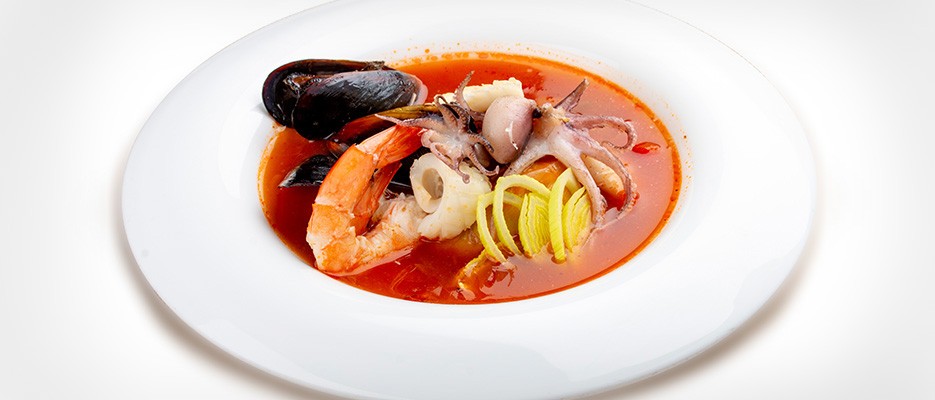
Bouillabaisse is much more than a simple fish soup; it is an expression of Provençal cuisine, a recipe with soul born in the ports of Marseille. Originally prepared by fishermen with what remained unsold, it has since become a symbol of culinary refinement. It invites us to enjoy rich flavors, a harmonious combination of fish, vegetables, and spices. And if we want to prepare it at home, we can do so step by step, with patience and joy.
Preparing the ingredients
It all starts with the selection of the ingredients. We need fresh fish, preferably several types, to build a flavorful and substantial base. Ideally, we should choose fish with firm flesh, such as cod or sea bream, but we can also add bony fish, such as eel, for greater depth of flavor. If we have mussels, clams, or shrimp available, we can incorporate them for an extra touch of flavor.
For the vegetables, the base is made from yellow onion, leek, fennel, and ripe tomatoes, all slowly sautéed in olive oil. Garlic is essential, and for sweetness and body, a carrot added at the beginning makes all the difference. The Mediterranean aromas come from bay leaves, fresh thyme, a pinch of saffron, and dried orange peel - all added carefully, for a perfect balance.
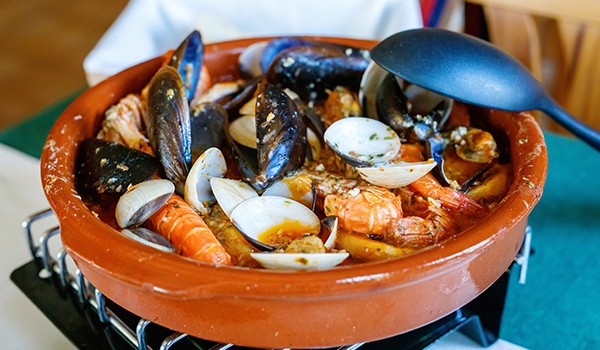
Step 1: Prepare the fish stock - the foundation of flavor
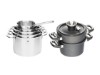
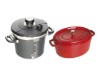
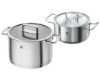
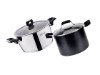
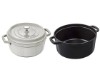
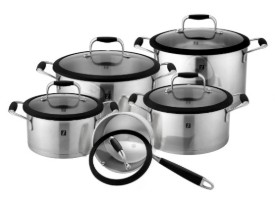
It all starts with a well-made fish stock, as this will provide depth of flavor throughout the entire soup. In a large cooking pot, preferably made of thick stainless steel or cast iron, we combine fish heads, bones, and leftover pieces from fillets. Alongside these, we add a quartered onion, a piece of fennel, a carrot, and bay leaves. Pour in cold water until everything is covered and place the cooking pot over low heat.
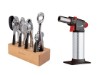
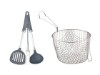
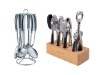
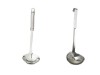
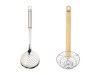
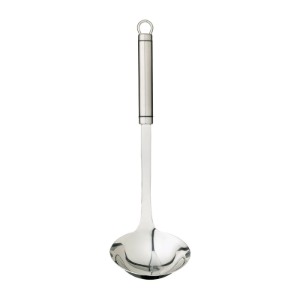
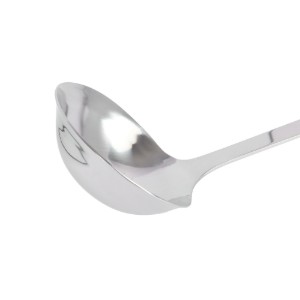
For 40-45 minutes, let everything simmer gently, removing the foam that forms on the surface. The result? A clear, aromatic liquid with delicate marine notes - the perfect base for an authentic Bouillabaisse. For better control of the process, a stainless steel skimmer and ladle set from KitchenShop can be extremely useful, while a deep, heavy-bottomed professional-grade cooking pot ensures that the flavors are extracted properly without the liquid evaporating too quickly.
Step 2: Sauté the vegetables
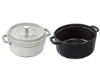
We continue the recipe with a step that transforms the soup into an explosion of flavors: sautéing the vegetables. We choose a deep and stable vessel - ideally one made of enameled cast iron, which retains heat well and allows for slow, even cooking. Pour in a few generous tablespoons of olive oil and, over medium heat, add the finely sliced onion, thinly sliced leek, crushed garlic, and finely sliced fennel.
Let the vegetables soften gently, without frying them. Once they have become translucent and fragrant, stir in the finely chopped tomatoes. Let them break down gently, stirring occasionally with a silicone spatula - especially useful if we are using enameled cookware, to avoid scratches.
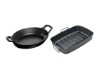
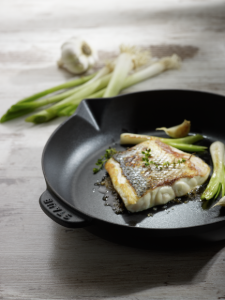
When everything has become a juicy, well-bound base, add the bay leaf, thyme, a few strands of saffron, and a little dried orange peel. Let it simmer gently over low heat, allowing the flavors to blend beautifully. For this step, a Staub cast iron dish from the KitchenShop selection makes all the difference, maintaining a constant temperature and intensifying the flavors. A heat-resistant silicone spoon is also a reliable ally, especially when you want to stir without damaging the cookware.
Step 3: Combine the vegetables with the stock - the soul of the soup takes shape
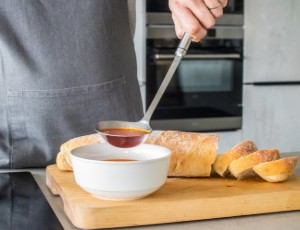
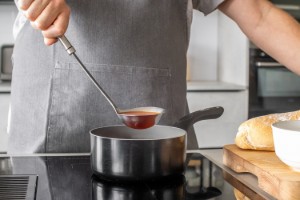
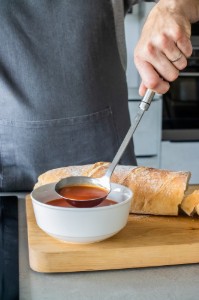
When the vegetables are well softened and their fragrance has spread throughout the kitchen, it is time to add the fish stock. Carefully pour the strained liquid over the sautéed vegetables, using a deep ladle and pouring slowly so as not to disturb the mixture. If we use quality cookware, such as cast iron or thick stainless steel, heat distribution will remain perfect throughout the cooking process.
Bring the soup to a boil, then reduce the heat and let it simmer gently, uncovered, for 20-30 minutes. The liquid begins to reduce, and the color becomes increasingly intense, with golden hues.
Now is the time to taste and adjust according to preference - a little extra salt, a pinch of freshly ground pepper, all added carefully. If we want a smoother texture, we can blend some of the vegetables directly in the cooking pot, using a powerful immersion blender, such as those available on KitchenShop - ideal for soups, sauces, or creams. From there, we can also choose a set of high-temperature-resistant utensils, useful for stirring and serving without worry.
Step 4: Add the fish and shellfish
The firm-fleshed fish go in first - cut them into generous pieces and immerse them in the gently simmering liquid. After 5-7 minutes, add the shellfish or mussels, if using. Leave them only until they open (in the case of mussels) or turn opaque (shrimp). Make sure not to overcook them, so that we preserve their tender texture.
Step 5: Prepare the rouille sauce - the final touch with personality
No true Bouillabaisse is complete without rouille sauce, that spicy and creamy touch that makes every spoonful even more flavorful. In a small bowl, start by thoroughly crushing the garlic with a little salt, using a mortar and pestle or a garlic press. Then add the raw egg yolk, a touch of mustard, a few strands of saffron dissolved in a teaspoon of warm water, and a few drops of lemon juice.
Begin pouring in the olive oil, preferably one with an intense Mediterranean flavor, in a thin stream, continuously whisking with a small whisk or hand mixer. The texture should be thick, similar to mayonnaise, and the color a bright golden yellow. If we want an extra touch of color and flavor, we can also incorporate a little hot pepper paste.
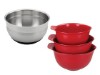
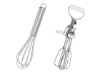
On KitchenShop we can find sets of ceramic or stainless steel bowls, ideal for mixing sauces and perfect for achieving a smooth texture. A well-balanced, ergonomic stainless steel whisk makes the whole process easier and more precise.
Step 6: Serve in the classic style
Bouillabaisse is traditionally served in two stages: first the strained soup, accompanied by garlic-rubbed croutons and rouille sauce. Then, on a separate platter, the cooked fish is served together with the vegetables, everything drizzled with a little olive oil and sprinkled with chopped parsley. In the modern version, we can serve everything in the same bowl - it is simpler and just as delicious.
Cook simply and deliciously
With carefully selected ingredients, suitable cookware, and a good mood, Bouillabaisse can become one of the most special soups we have ever made at home. If we want to recreate the warm atmosphere of southern France, we do not need much. Just flavor, time, and a touch of inspiration.
KitchenShop provides us with all the necessary tools - from cookware that preserves the flavor to utensils that make the work easier. All that remains is to choose the right moment and start cooking.
Other recommended products:
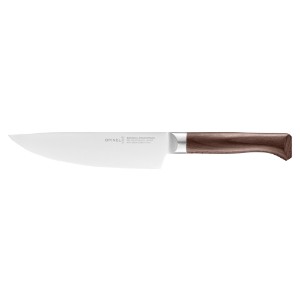
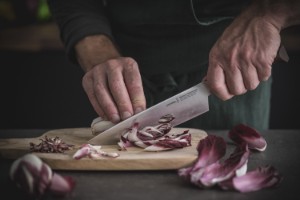
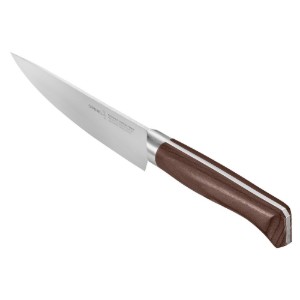
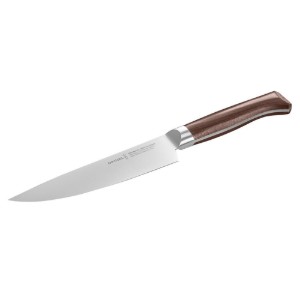
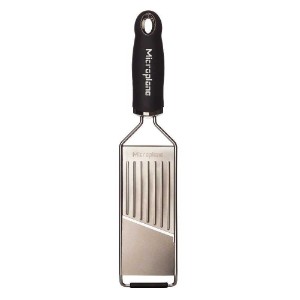
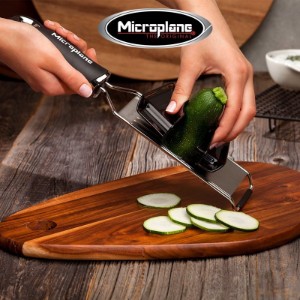
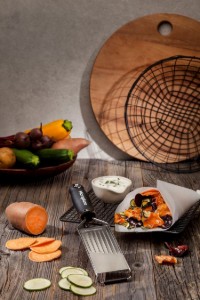

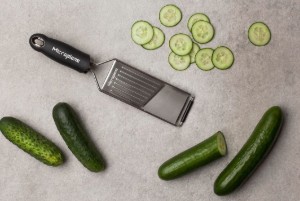
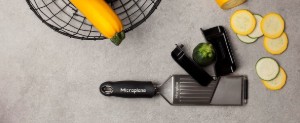
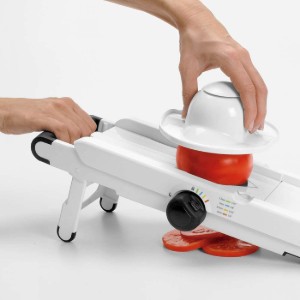
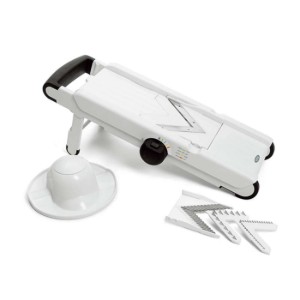
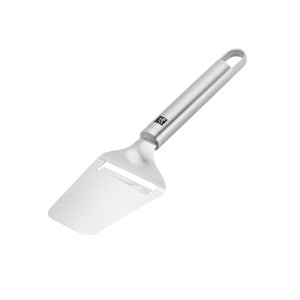
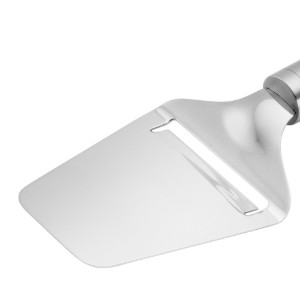
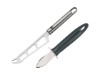
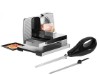
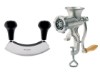
"Gourmet" slicing device, 31.5 cm - Microplane brand
Code: 45044E
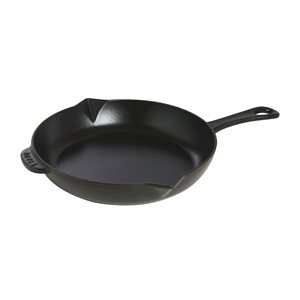
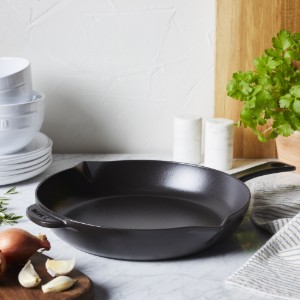
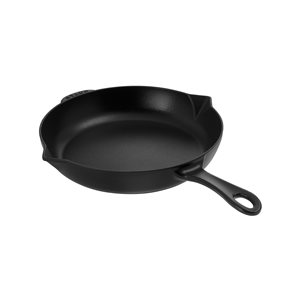



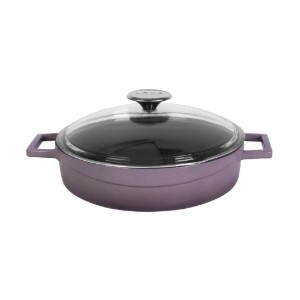
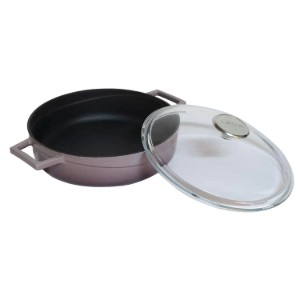
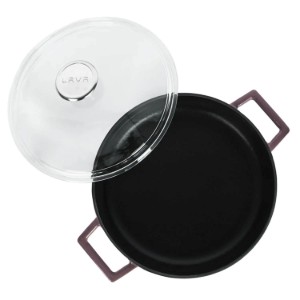
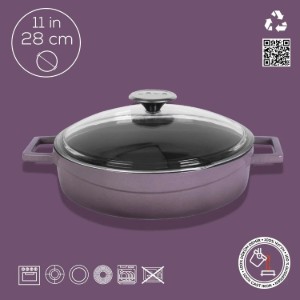
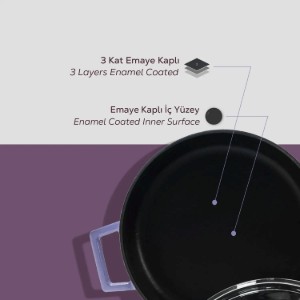
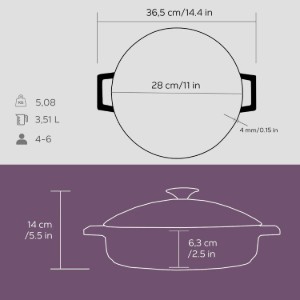

Cast iron casserole dish, 28cm/3.5L, "Glaze", Purple - LAVA
Code: LVYST28K3P
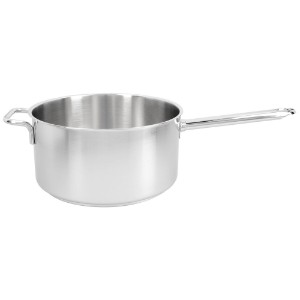
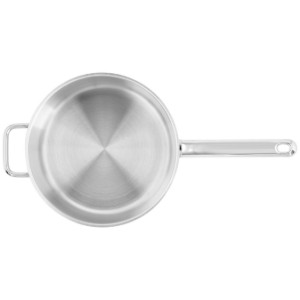
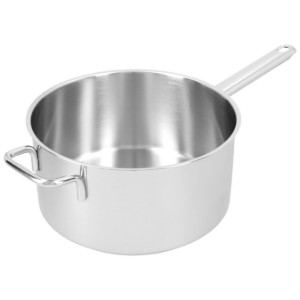
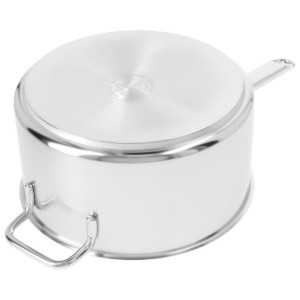
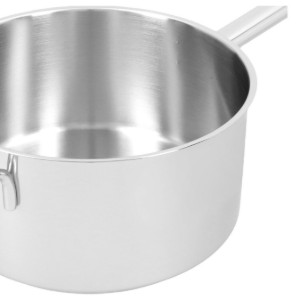
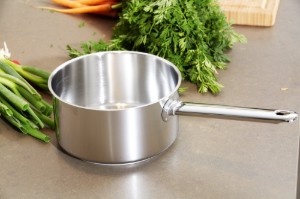
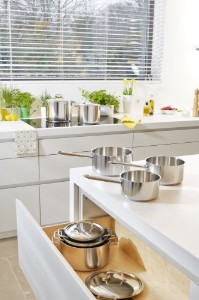
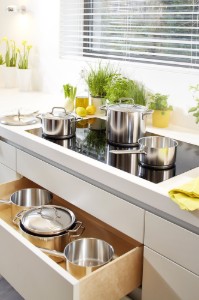
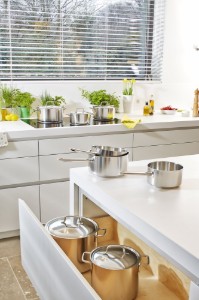
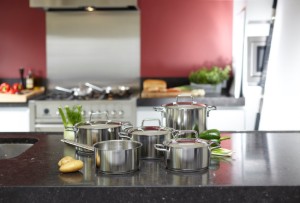
Saucepan 22 cm/4 l "Apollo", stainless steel - Demeyere
Code: 44422
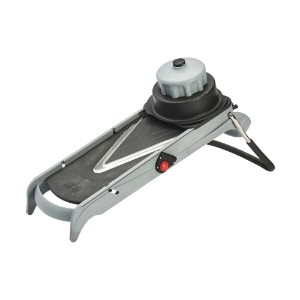
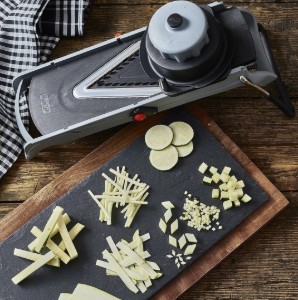
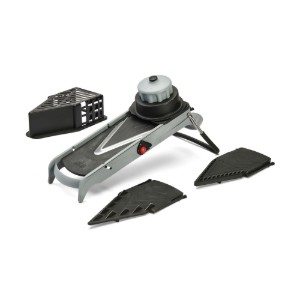
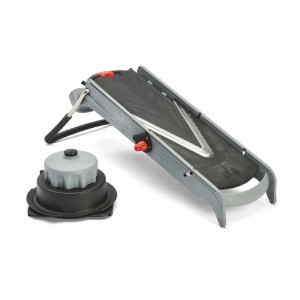
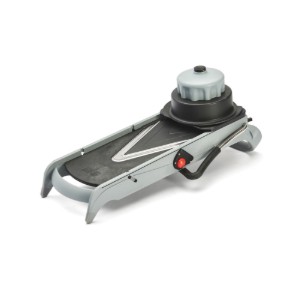
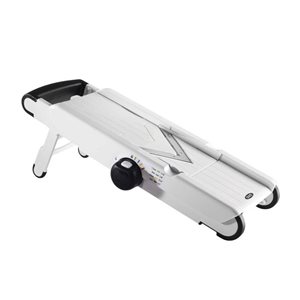
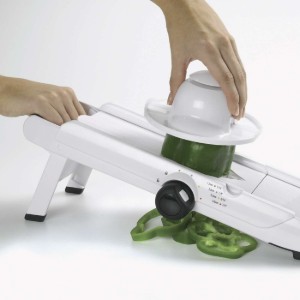
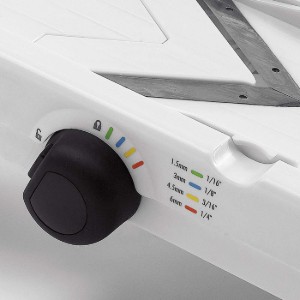
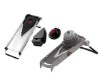
"VIPER" mandolin, V-shaped blade, 44 x 18.5 x 15 cm, - "de Buyer" brand
Code: 201600